
- Sorry, this product cannot be purchased.
Showing 25–34 of 34 results
-
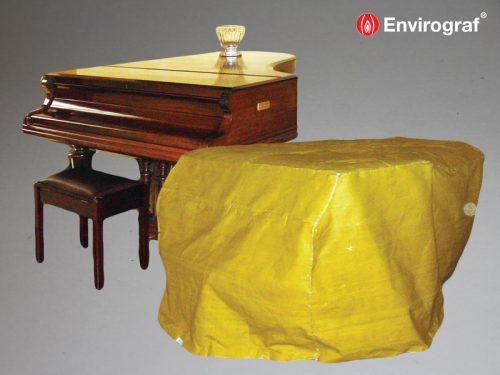
Fire and smoke resistant covers for a wide range of valuable items, made to order. (PRODUCT 126)
-
Rainscreen cavity barriers with washer or bracket fixings for facade cladding systems. (PRODUCT 55)
-
Effective solution for ventilated rainscreen cavities, providing air gap of 25mm or 40mm. (PRODUCT 55)
-
From £4.11 to £33.07
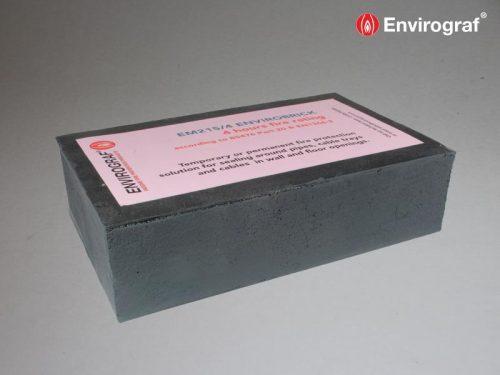
Intumescent sponge bricks and circular plugs for sealing around services. (PRODUCT 8)
-
From £0.93 to £18.53
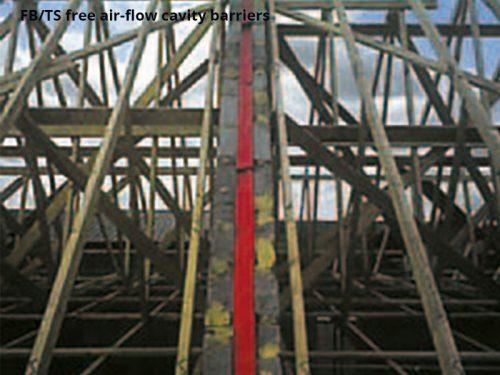
Smoke resistant barrier to prevent spread of flame. (PRODUCT 117)
-
From £14.10 to £22.91
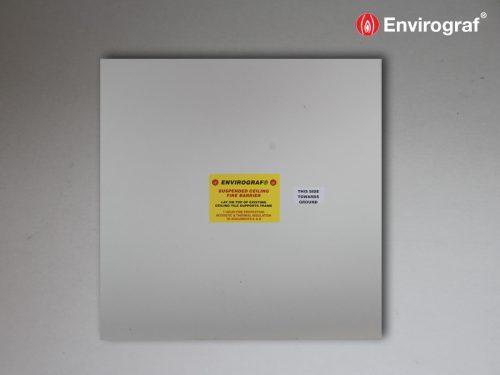
Thick, fire resistant barrier to fit over suspended ceiling tiles, able to accommodate light fittings. (PRODUCT 152)
-
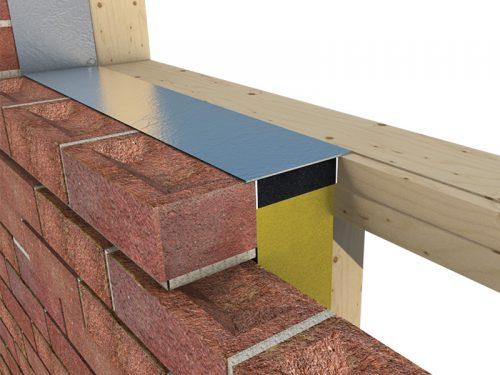
Thermal cavity barrier ideal for cavities around door and window apertures. (PRODUCT 55)
-
-
From £16.95 to £60.96
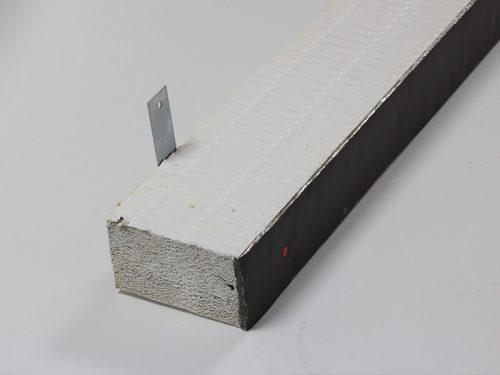
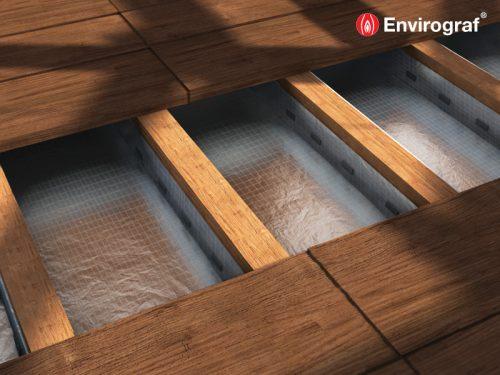
Fire and acoustic resistant barrier for use between joists over lath and plaster ceilings. (PRODUCT 53)
-
From £23.91 to £63.51
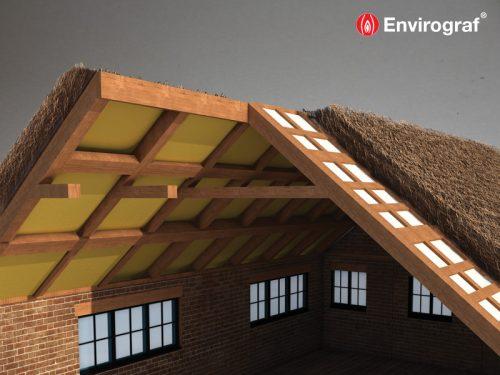
A range of fire barrier products designed to compartmentalise loft spaces and protect thatched roofs. (PRODUCT 123)





Fireproof barriers are specifically engineered to shield walls, floors, ceilings, and roofs. By creating a resilient shield around these critical structural components, they help to contain fires within designated areas and prevent them from compromising the integrity of the building. This containment can be crucial for buying time for occupants to evacuate and for emergency services to respond effectively.
Additionally, fireproof barriers are essential for closing gaps and voids within buildings. These spaces can act as conduits for fire and smoke, allowing them to spread rapidly between different parts of a structure. By sealing these openings with fire-resistant materials, the barriers help to limit the movement of fire and smoke, thereby protecting both the building’s occupants and its infrastructure.
Furthermore, fireproof barriers are not just limited to structural components; they also play a significant role in protecting valuable assets and furniture. These barriers can be used to safeguard crucial equipment and furnishings, reducing the risk of fire damage and ensuring that critical resources are preserved.
In summary, the implementation of fireproof barriers is a vital aspect of fire prevention and protection strategies. By fortifying walls, floors, ceilings, roofs, and various gaps and voids, as well as safeguarding assets and furniture, these barriers provide a comprehensive defense against the destructive forces of fire. Their use enhances overall safety, minimizes damage, and contributes to a more resilient and secure building environment.
