
Fireproof covers, cages and acoustic protection for lights, downlights and air conditioning units.
Fire prevention is a critical component of safeguarding both residential and commercial spaces. One of the key aspects of fire prevention involves the use of specialized products designed to protect various elements of a building from the risks associated with fire. Among these products, fireproof covers, cages, and acoustic protection for lights, downlights, and air conditioning units play a pivotal role in enhancing safety.
Showing all 3 results
-
An Envirograf® retro-fitting adapter has been developed to convert existing downlighter fittings into low energy units. Made to order. (PRODUCT 32)
-
From £8.79 to £65.53
A range of fire resistant covers for light fittings. (PRODUCT 32)
-
From £38.42 to £123.86
Fire and smoke resistant covers to be fitted over light fittings and air conditioning units. (PRODUCT 31)



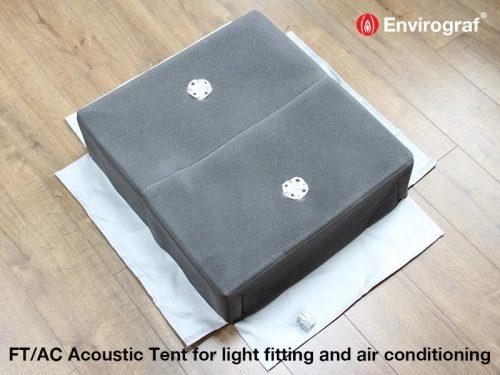
Fireproof Covers are essential for protecting lighting fixtures and downlights, which can become significant fire hazards if not adequately shielded. These covers are made from materials that can withstand high temperatures, preventing the risk of ignition from heat generated by the lights. By encasing these fixtures, fireproof covers not only protect against direct flame but also reduce the risk of fire spreading through overheated wiring or electrical components.
Cages offer robust protection for both lights and air conditioning units. These cages are constructed from durable, fire-resistant materials and are designed to shield these devices from physical damage as well as potential fire hazards. In high-traffic or industrial areas, where the risk of accidental impact or overheating is higher, installing fire-resistant cages can significantly mitigate these risks.
Acoustic Protection is another crucial element in fire safety, particularly for downlights and air conditioning units. Acoustic protection materials help contain and minimize noise while also providing a fire barrier. This dual-functionality is vital in areas where maintaining sound insulation is as important as fire prevention. By integrating acoustic barriers with fire-resistant properties, buildings can achieve a higher standard of safety and comfort.
Incorporating these fire prevention products into building designs and maintenance routines ensures a comprehensive approach to fire safety. It not only protects the integrity of the infrastructure but also enhances the safety of occupants, ultimately contributing to a more secure environment.
