
Fire and cavity barriers and curtains for protecting floors, ceilings and walls.
Fire prevention is a crucial aspect of building safety, and implementing effective fire barriers can make a significant difference in protecting lives and property. Fire and cavity barriers, along with fire curtains, are essential components in safeguarding floors, ceilings, and walls from the devastating effects of fire.
Showing all 3 results
-
Fire resistant white card with self adhesive backing for walls and ceilings. (PRODUCT 157)
-
From £14.10 to £22.91
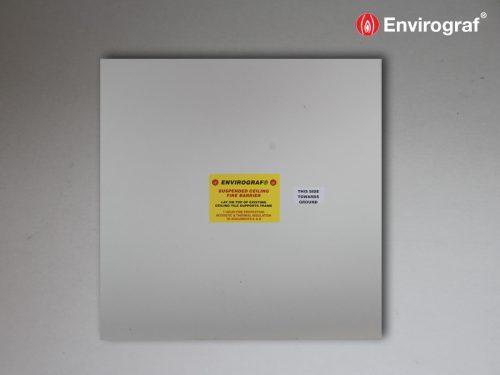
Thick, fire resistant barrier to fit over suspended ceiling tiles, able to accommodate light fittings. (PRODUCT 152)
-
From £16.95 to £60.96
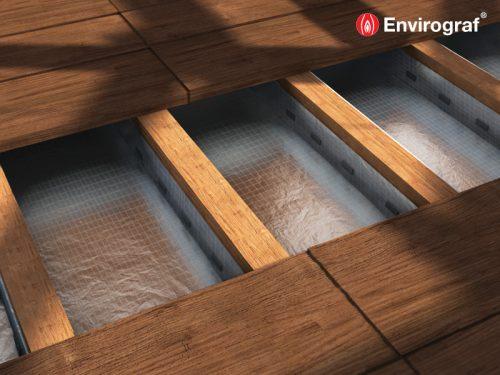
Fire and acoustic resistant barrier for use between joists over lath and plaster ceilings. (PRODUCT 53)

Fire barriers are designed to compartmentalize a building, slowing down the spread of fire and smoke between different sections. These barriers are typically installed in walls and ceilings and are made from materials that can withstand high temperatures for extended periods. They help in creating fire-resistant zones, allowing occupants more time to evacuate and minimizing damage to property. For instance, intumescent coatings and fire-resistant boards can expand when exposed to heat, creating a protective layer that resists fire and maintains structural integrity.
Cavity barriers, on the other hand, are used to close gaps within wall cavities that could otherwise allow flames and smoke to travel unchecked through the building. These barriers are crucial in maintaining the effectiveness of fire-rated walls and ceilings. By blocking these cavities, fire and smoke are prevented from bypassing the primary fire-resistant elements, ensuring that the fire does not spread into unprotected areas.
Fire curtains are another vital tool in fire prevention. They are deployable barriers that can be used to seal off large openings, such as stairwells and atriums, during a fire. Made from special fire-resistant materials, these curtains can be lowered automatically in the event of a fire alarm, providing a barrier that prevents the spread of smoke and flames. They are especially useful in high-rise buildings and large commercial spaces where traditional barriers might be less effective.
Incorporating these fire prevention products into a building’s design enhances overall safety, helps protect structural elements, and improves the chances of safe evacuation during a fire emergency.
