
Fireproof cement filler, PVE foam and wood filler.
Fire prevention is a critical aspect of ensuring safety in both residential and commercial spaces. Utilizing effective fireproofing materials is essential in minimizing the risk of fire damage and enhancing overall safety. Among these materials, fireproof cement filler, PVE foam, and wood filler are particularly noteworthy.
Showing all 3 results
-
From £9.20 to £26.43
Intumescent wood filler to fill gaps in wooden doors or surfaces. (PRODUCT 64)
-
£53.94
Intumescent cement filler which sets hard without cracking and expands in a fire. (PRODUCT 63)
-
From £14.86 to £42.08
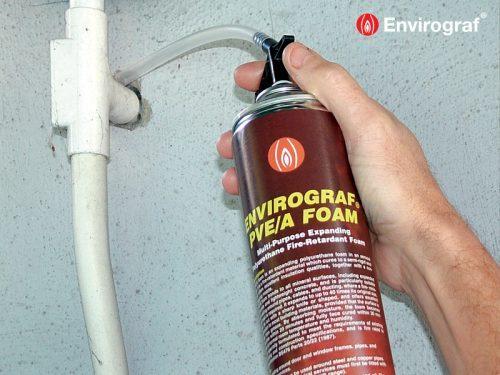
Intumescent foam to fire seal gaps and voids around services or awkward openings. (PRODUCT 44)


Fireproof cement filler is a versatile product designed to enhance fire resistance in various construction applications. Composed of materials that can withstand high temperatures, it is typically used to seal joints, cracks, and gaps in masonry and concrete structures. By preventing the spread of flames and smoke through these openings, fireproof cement filler helps to contain fires and protect structural integrity during emergencies.
PVE (Polyvinyl Acetate) foam, also known as fire-resistant foam, is another valuable fire prevention product. This foam is engineered to resist high temperatures and is commonly used in insulation and sealing applications. Its primary advantage lies in its ability to expand when exposed to heat, effectively blocking gaps and preventing the passage of flames and hot gases. This expansion helps maintain the fire barrier and improves the overall safety of the building.
Wood filler, on the other hand, plays a crucial role in fire prevention when used on wooden structures. Modern fire-resistant wood fillers are formulated with materials that provide a protective barrier against heat and flames. These fillers are applied to cracks and holes in wooden surfaces, reinforcing the wood’s ability to resist ignition and slowing the spread of fire. By maintaining the structural integrity of wood, these fillers help to ensure that wooden elements do not become a source of fuel during a fire.
In summary, fireproof cement filler, PVE foam, and wood filler are essential products in the realm of fire prevention. Each serves a unique purpose in enhancing fire resistance and protecting structures from potential fire hazards, ultimately contributing to safer living and working environments.
